From City Lights to Safari Nights: My First Month at MORE Field Guide College
Words by Olivia Fillmore, Career Course Student
A dream eight years in the making finally came to life in early January 2025 when I arrived at MORE Field Guide College. Stepping off the vehicle in the rain I realised that my city-girl life was coming to an end. I knew this was an experience I would never forget. The welcome was simple yet profound – being led to the tent that would be my home for the next six months. An overwhelming sense of calm washed over me; I was exactly where I was meant to be.
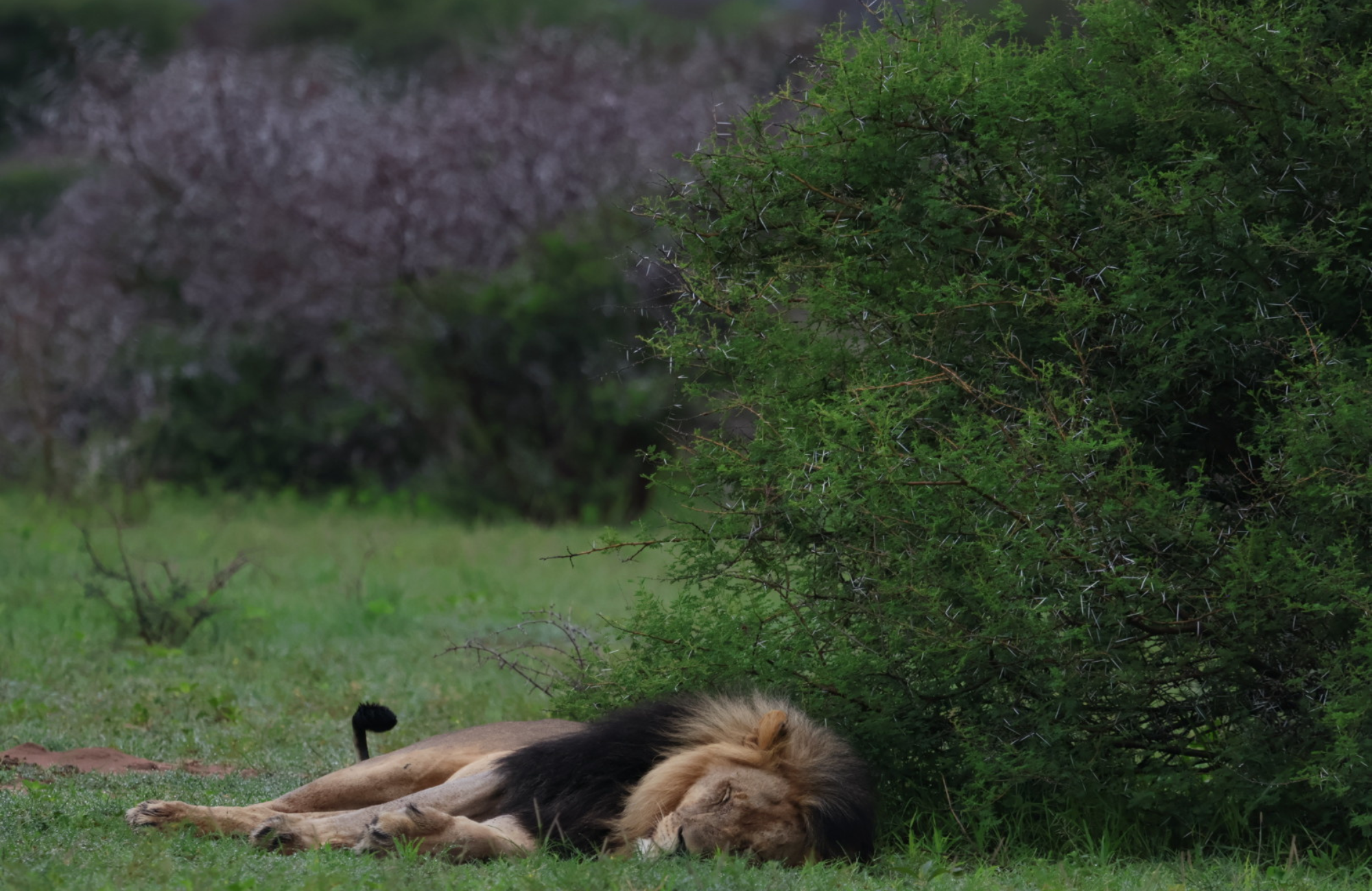
The first game drive in the Marataba Game Reserve was breathtaking. I witnessed a pride of lions feasting on a zebra, a sight both raw and mesmerising. Lions live in prides consisting of related females, their offspring, and sub-adults, while males are ousted around the age of three when they begin to challenge the dominant male. They are relentless hunters, capable of going three to four days without a meal, yet they are always on the lookout for their next prey. As the lions took a break from their meal, opportunistic jackals seized their chance. Sneaking in to snatch morsels of the kill, only to be chased off by a protective lioness. It was a perfect display of the wild hierarchy.
Another remarkable encounter took place during an afternoon game drive as we adjusted to the scorching 34°C heat of the African sun. We came across two male giraffes engaged in “necking,” a dramatic display of dominance. They swung their powerful necks and struck each other with resounding force, competing for dominance and, more than likely, the attention of a nearby female. The sheer volume of the impact was astonishing, a reminder of the raw power behind these seemingly gentle giants.
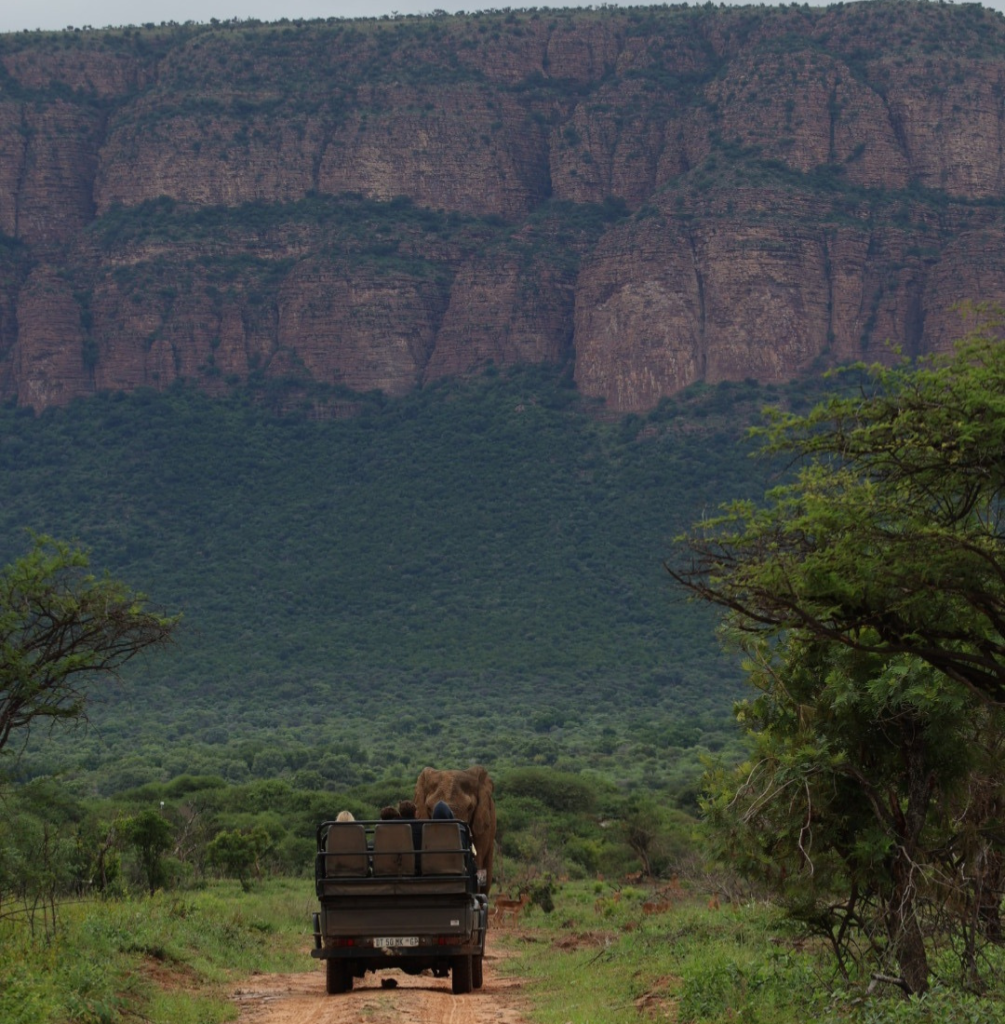
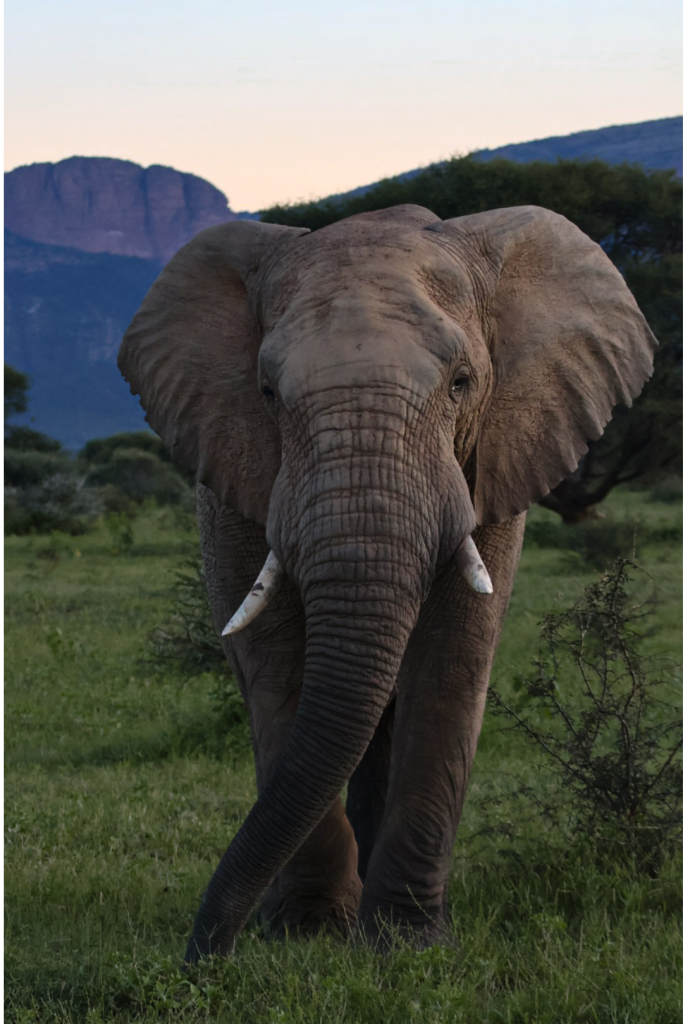
Despite having lived in South Africa all my life, these first three weeks have been filled with incredible first-time sightings. One of these unforgettable moments include spotting a brown hyena, an animal I initially mistook for a wolf due to its impressive size, during a late-night drive. Another was during our observations of the constellations when we had to abruptly cut our 11 p.m. coffee stop short, thanks to the unmistakable trumpeting of nearby elephants. Next, a long-awaited sighting was that of a black rhino. I hadn’t seen one since I was ten years old and this encounter was anything but peaceful. A black rhino charged our vehicle after mistaking if for a threat, only to veer off when she realised we posed no danger. Both male and female black rhinos are notoriously territorial. With their poor vision, only seeing clearly up to about 30 metres, they rely heavily on their acute sense of smell and hearing to navigate their environment.
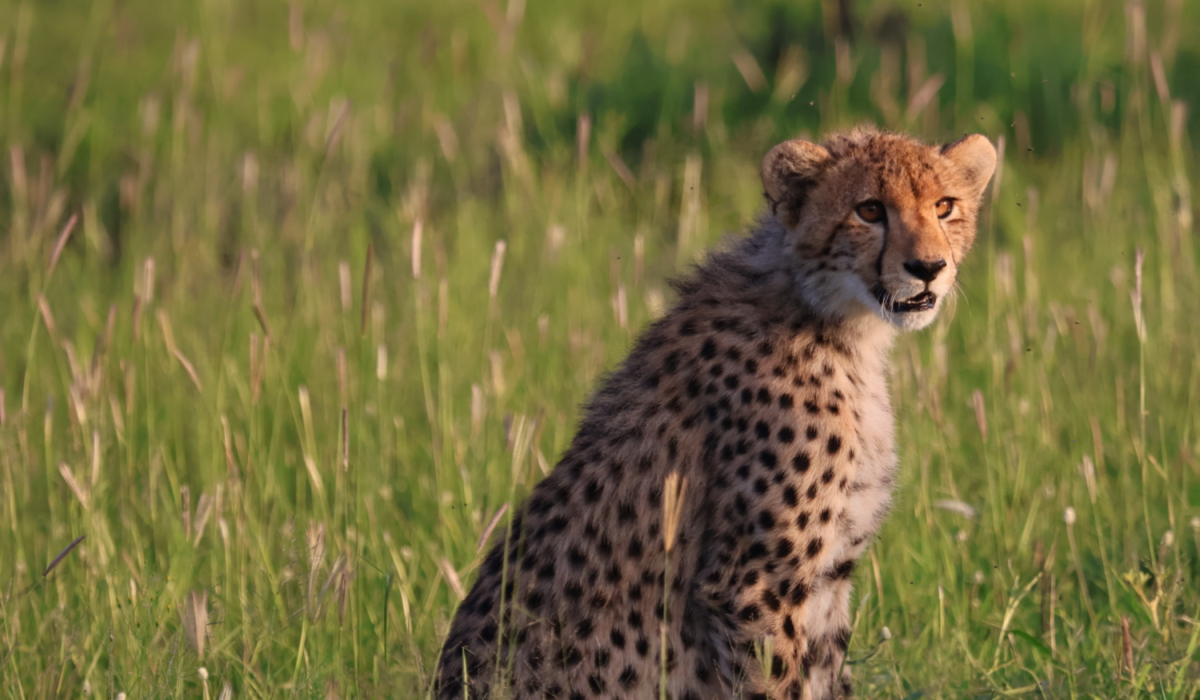
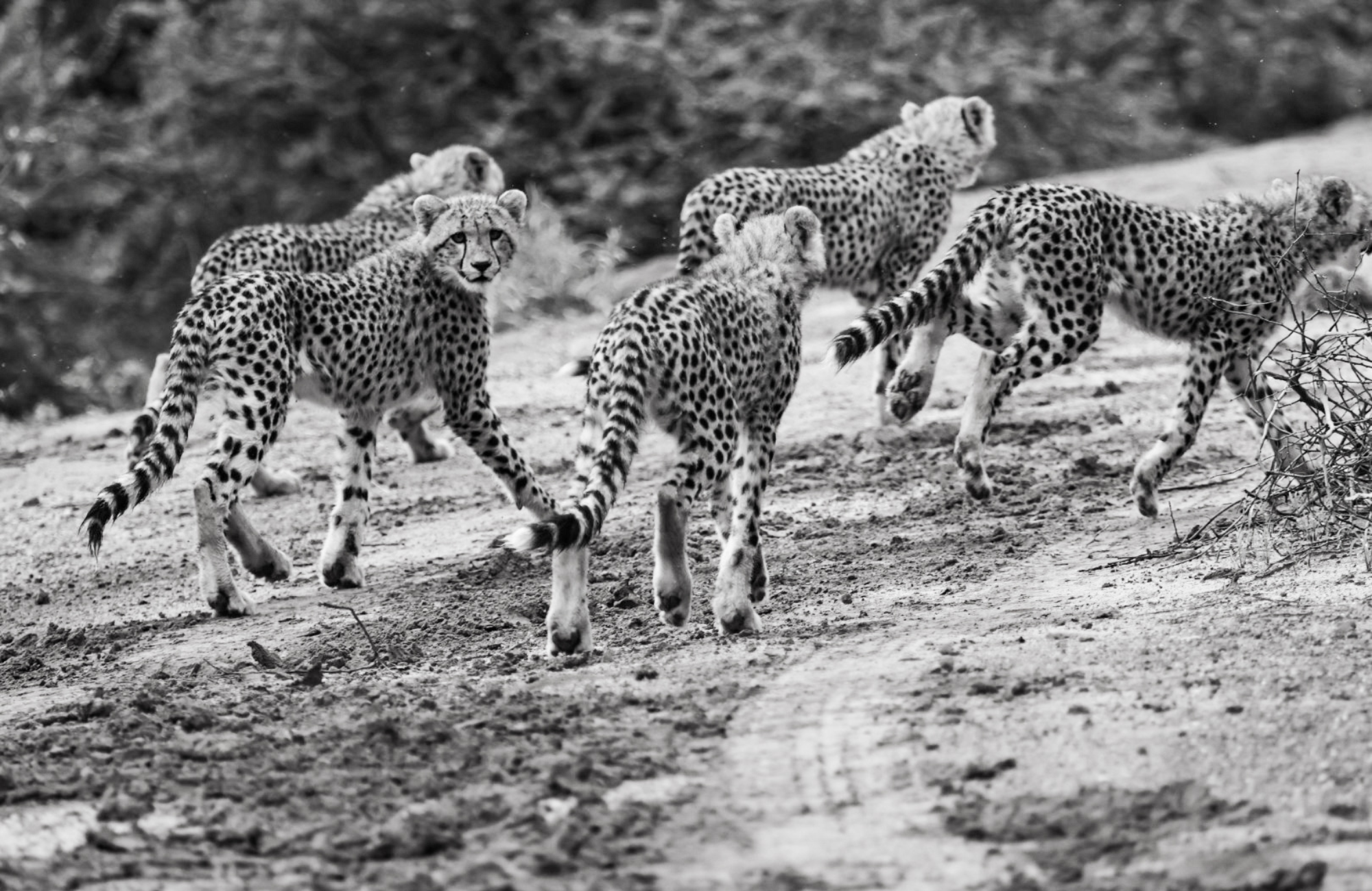
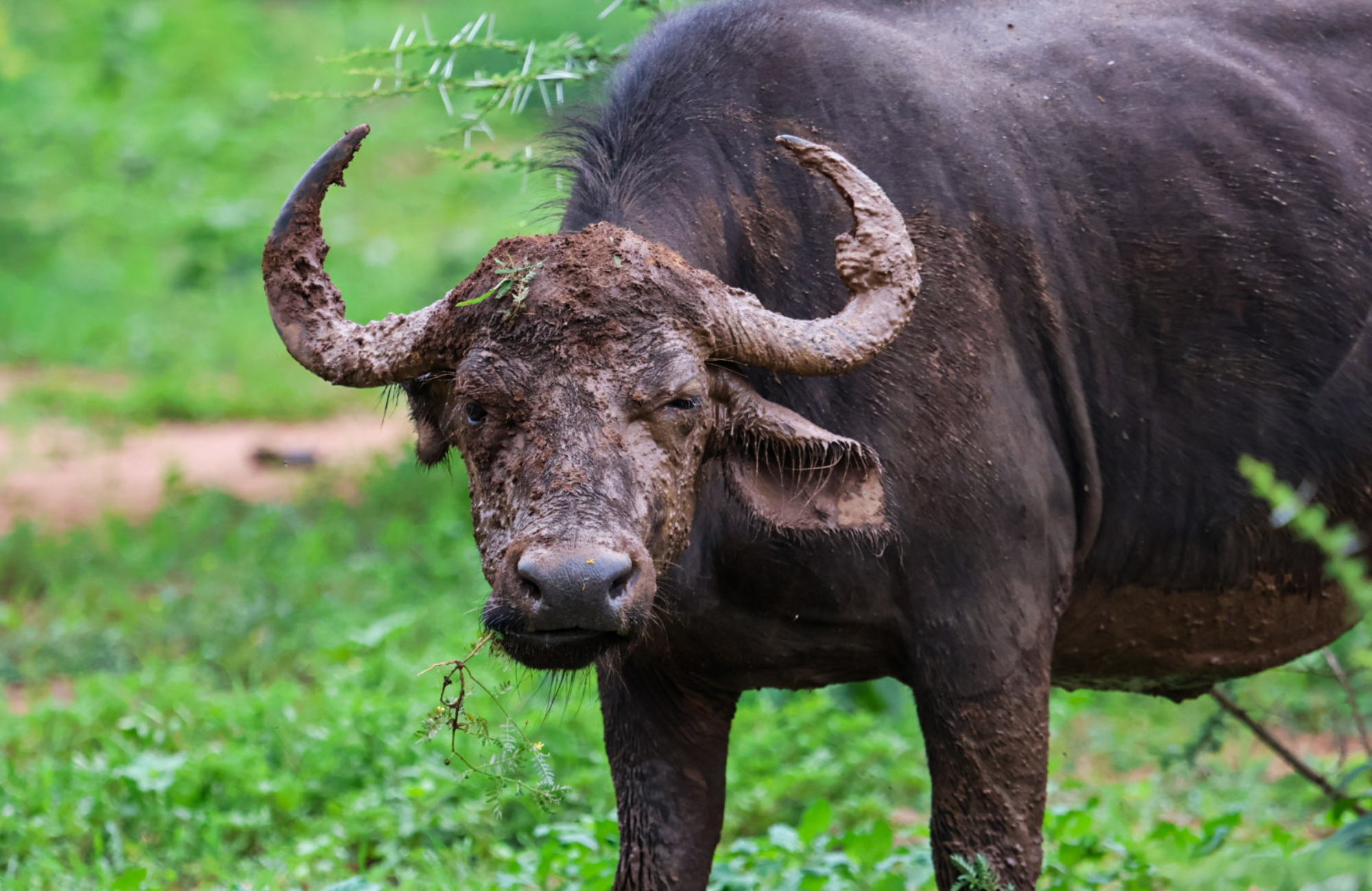
On a tranquil drive through the western plains, we spotted a magnificent aggregation of zebra, wildebeest, and buffalo running away from something. Moments later, the piercing alarm call of a vervet monkey perched in a tree sent a ripple of excitement through our vehicle. There was a predator nearby. Following the monkey’s gaze, we tracked the commotion until we turned a corner and were greeted by an extraordinary sight: a mother cheetah and her five fluffy cubs. Seeing such a large litter was rare, given the low survival rate of cheetah cubs. They often fall victim to rival predators or dominant male cheetahs in the area. This mother’s success in raising all five thus far was a testament to her resilience and skill and it was admirable to see her flourishing with her babies. Cheetahs, the fastest land animals, can reach speeds of up to 120 km/h in pursuit of prey. Their distinctive black tear marks, running from their eyes down to their mouths, help reduce glare and enhance focus during the hunt.
So far, this journey has been nothing short of extraordinary. The 18-hour days are challenging, but every moment reaffirms my love for this life. I am eager to fully immerse myself in the wild, embracing every lesson and experience that comes my way on the path to becoming a field guide